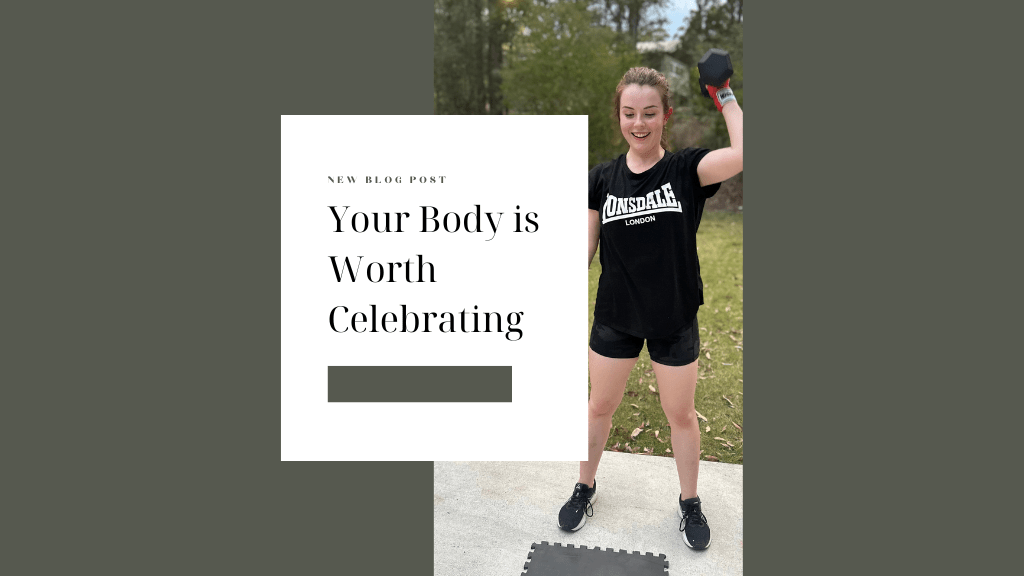
24 January 2025
You only get one body. It’s the reason you’re here, alive, breathing, and experiencing life. Yet so many of us battle with body image—myself included.
Even as a fitness coach, there are days when I catch myself being so self-critical, picking apart how I look, focusing on all the things I think need fixing. I’ve been there, standing in front of the mirror, letting my reflection steal my joy. And honestly? It’s exhausting.
But I’ve learned something along the way—feeling good in your skin has nothing to do with being “perfect.” It’s about shifting how we see and speak to ourselves.
Where Does This Pressure Come From?
We’ve been conditioned—by society, the media, even well-meaning past generations—to believe our appearance defines our worth. Messages like “shrink yourself to be accepted” or “only thin is healthy” have been drilled into us for so long that they feel like facts. But they’re not.
Social media doesn’t help either. Perfectly edited bodies, posed transformation photos, and unrealistic beauty standards flood our feeds, making it easy to fall into the trap of comparison.
But here’s the truth: Hating your body won’t make you love it more. The energy spent picking yourself apart only steals your happiness. And you deserve better than that.
Your Body Is Not the Enemy
The way we feel about our bodies often has nothing to do with our bodies themselves. It’s about the stories we’ve been told and the pressure we’ve absorbed.
But your body? It’s not the enemy.
It’s the reason you can experience life—hug loved ones, chase after your kids, move through your day. Your body shows up for you every single day, even on the tough ones. And it deserves kindness, not criticism.
I know this shift isn’t easy. It’s something I still work on too. But I’ve found that one of the most powerful ways to rebuild that connection is through movement.
Movement as a Tool for Self-Acceptance
Movement can be such a powerful way to reconnect with your body—not to fix it but to celebrate it.
I’m not talking about working out to burn calories or “undo” what you ate. I’m talking about moving because it feels good. Because your body can.
- Go for a walk and feel the strength in your legs.
- Dance in your living room with zero care about how you look.
- Lift weights and appreciate the power you’re building.
When you focus on how your body feels rather than how it looks, it changes everything.
Actionable Steps to Feel Good in Your Skin—Starting Today
Here are some simple steps that have helped me and might help you too:
✅ Practice Positive Self-Talk: Catch those negative thoughts. Would you say those words to a friend? If not, replace them with kinder ones. “I’m grateful for my body’s strength today.”
✅ Write a Gratitude List: Each day, list three things your body has done for you—like helping you breathe, move, or experience joy.
✅ Move with Joy: Choose movement that feels good, not punishing. Try walking, dancing, or stretching just for the joy of it.
✅ Unfollow Toxic Accounts: Clean up your social media. Follow accounts that promote self-acceptance, body neutrality, and realistic wellness.
✅ Wear Clothes That Feel Good Now: Not “when you lose weight.” Wear outfits that make you feel comfortable and confident today.
✅ Nourish, Don’t Punish: Fuel your body with foods that make you feel energised, not restricted.
✅ Pause for Reflection: If self-criticism creeps in, ask: “Is this thought helping me feel better?” If not, reframe it.
You’re Enough Right Now
You don’t have to wait until you “fix” yourself to feel good in your skin. You don’t need to reach a goal weight, drop a size, or look like anyone else to be worthy of love, respect, and happiness.
You’re already enough—exactly as you are.
And the journey to feeling good in your skin? It starts with small, daily choices. Speaking kinder to yourself. Moving because it feels good. Choosing gratitude over criticism.
I’m right there with you.
Love,
Hayley x

 Sunday Sanctuary Health Co.
Leave a Reply